

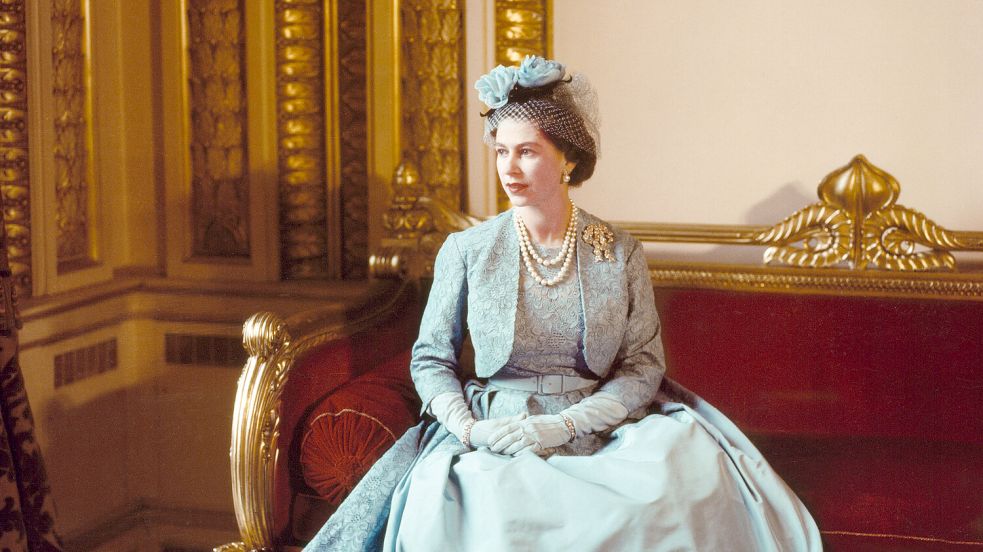
Queen Elizabeth her life in style represents a masterclass in diplomatic dressing, color psychology, and timeless British elegance. From her iconic monochrome ensembles to her wartime utility wear, the late Queen consistently used her wardrobe as a subtle yet powerful instrument of statecraft. In fact, every fabric, silhouette, and piece of jewelry was intentionally selected so that it could signal respect, unity, and continuity across her historic 70-year reign.
Early Regal Elegance and WWII Resilience
Before taking the throne, Princess Elizabeth’s wardrobe balanced traditional royal grandeur with the practical realities of a country at war. Indeed, her early sartorial choices reflected both modesty and national solidarity.
-
The 1947 Wedding Dress: Designed by Sir Norman Hartnell, the silk gown was purchased using wartime clothing ration coupons; as a result, it demonstrated genuine unity with post-war Britain.
-
Military Service Attire: Additionally, as a member of the Auxiliary Territorial Service (ATS), she wore functional utility coveralls, thereby showcasing a grounded dedication to duty.
Diplomatic Dressing: Wardrobe as Foreign Policy
Throughout her international tours, the Queen’s fashion choices were carefully tailored to honor host nations and celebrate Commonwealth ties. Consequently, her clothing often served as a silent gesture of goodwill.
-
Embroidered Symbolism: Her 1953 Coronation dress famously integrated embroidered emblems of Great Britain along with flora representing Commonwealth nations.
-
Color and Motif Diplomacy: For instance, she frequently incorporated state colors, regional emblems, or symbolic jewelry into her outfits whenever she was visiting abroad.
The Bright Palette: Rainbow Diplomacy
In her later decades, Queen Elizabeth became globally recognized for her vibrant, single-color coats and matching hats. Although some viewed this as a personal preference, it was actually a deliberate strategy.
| Style Element | Primary Strategy | Signature Features |
| High-Visibility Colors | Maximum Crowd Visibility | Because neon green, fuchsia, and bright yellow stood out, public onlookers could easily see her in dense crowds. |
| Matching Accessories | Visual Uniformity | Furthermore, she relied on color-matched Fulton umbrellas, black Launer handbags, and custom Anello & Davide loafers. |
| Statement Brooches | Storytelling & Heritage | Moreover, historic heirlooms and foreign gifts were worn on her lapel to add deep historical context to her appearances. |
Off-Duty Country Style at Balmoral
However, away from official engagements, the Queen’s style seamlessly transitioned into classic, functional British countryside attire:
-
Traditional tartan kilts and pleated wool skirts
-
Classic Barbour wax jackets for protection against harsh weather
-
Signature silk headscarves knotted under the chin to keep her hair secure
-
Finally, durable leather riding boots built for the rugged Scottish Highlands
The Enduring Legacy of Royal Style
Ultimately, Queen Elizabeth II created an unforgettable visual identity with the help of iconic couturiers like Sir Norman Hartnell, Hardy Amies, and long-time advisor Angela Kelly. Therefore, her approach to dressing remains one of the most effective examples of visual branding and sartorial diplomacy in modern history.







Leave a Reply