

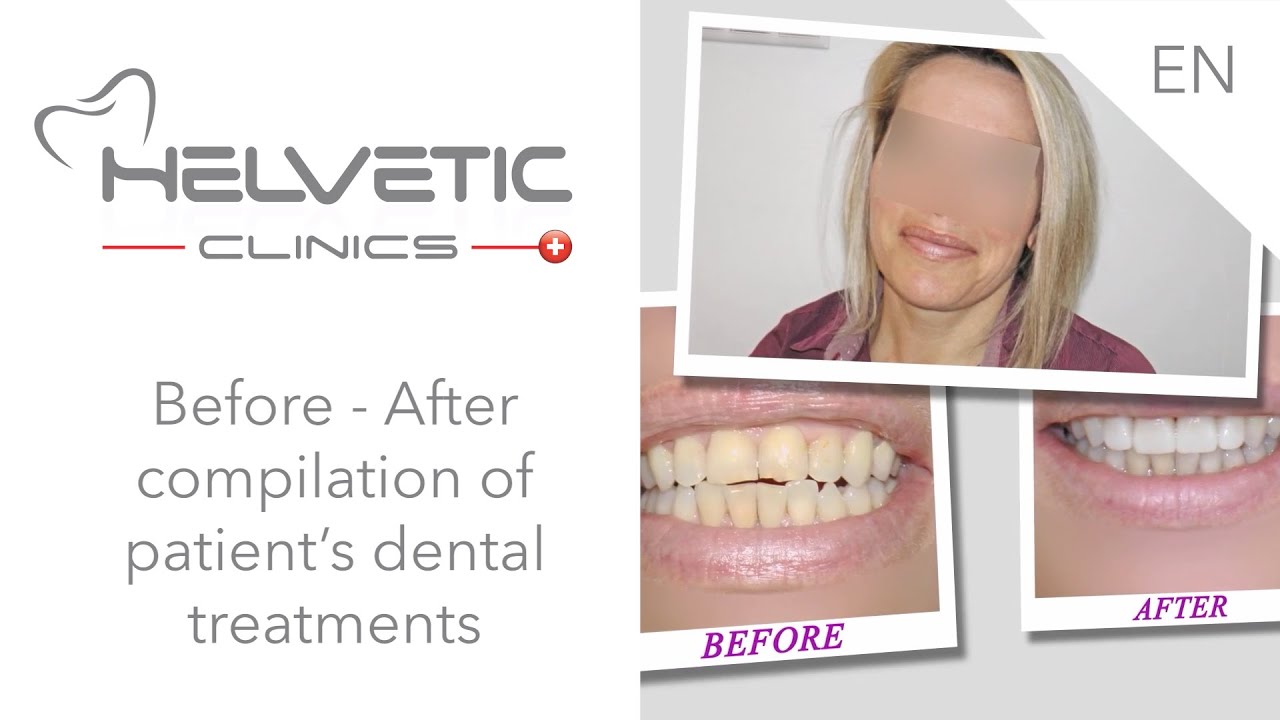
Dental implants abroad Helvetic Clinics is a search term increasingly used by UK patients exploring alternatives to private dental treatment at home. Dental implants can provide a long-term solution for missing teeth, but the decision involves much more than comparing prices. Patients also need to consider the dentist’s experience, implant system, treatment plan, travel arrangements, follow-up care and what happens if additional treatment is required.
For UK patients considering treatment overseas, Budapest, Hungary, is one of the destinations that regularly appears in dental tourism searches. Helvetic Clinics operates a Budapest clinic and provides dental treatment for international patients. Its UK-facing information describes a service designed around treatment planning and support throughout the patient’s visit.
Why Are UK Patients Considering Dental Implants Abroad?
The cost of private dental treatment can encourage patients to investigate treatment in other European countries. However, price should not be the only factor when comparing dental implant providers.
A dental implant normally involves several stages. The dentist first assesses the condition of the teeth, gums and jawbone. Imaging may then be required before an appropriate treatment plan is created. Depending on the individual case, treatment can involve implant placement followed by a healing period before the final restoration is fitted.
For this reason, UK patients should look beyond an advertised starting price and ask exactly what the quotation includes.
What Are Dental Implants?
A dental implant is a replacement tooth root that is placed into the jawbone. After the implant has integrated with the surrounding bone, it can support a crown, bridge or other dental restoration.
The treatment can be useful for people who have lost one or more teeth, but suitability depends on individual dental and general health factors. A qualified dentist should assess each patient before recommending implants.
Patients should also understand that implant treatment is not identical for everyone. Bone levels, gum health, the number of missing teeth and the desired final restoration can all influence the treatment plan.
Dental Implants Abroad: What Should UK Patients Check?
Choosing an overseas dental clinic requires careful research. Before booking treatment, UK patients should ask several practical questions.
1. Who Will Carry Out the Treatment?
Check the dentist’s qualifications, experience and area of specialisation. Complex implant cases may require input from professionals with specific experience in implantology or oral surgery.
2. Which Implant System Is Being Used?
Ask for the exact implant brand and model included in the treatment plan. Helvetic Clinics states that it uses internationally recognised implant systems and provides information about the materials used in its treatments.
Knowing the implant system can also be useful later if another dentist needs to provide maintenance or treatment.
3. What Does the Quoted Price Include?
A dental implant quotation can contain several separate components, such as the implant, abutment, crown, imaging, temporary teeth and laboratory work.
Patients should request a written treatment plan and confirm whether additional procedures could change the final cost.
4. How Many Visits Are Required?
Some implant treatments require more than one visit. The exact schedule depends on the patient’s clinical condition and the treatment selected.
Before travelling, ask the clinic how long the initial visit is expected to last and whether a second trip will be necessary.
What Makes Budapest Interesting for Dental Tourism?
Budapest has become a recognised destination for international dental patients. Hungary is known for offering a broad range of dental services, including implant dentistry, while attracting patients from different European countries.
Helvetic Clinics’ Budapest location combines dental treatment with accommodation arrangements, according to the clinic’s UK website. The clinic also states that it provides international patients with treatment planning and support during their stay.
For a UK patient, having accommodation close to the clinic can make the logistics of a treatment trip easier, particularly when several appointments are required.
Quality and Safety Should Come Before Price
The phrase “dental implants abroad” can sometimes make patients think primarily about cheaper treatment. However, implant dentistry is a medical procedure, so quality and safety should remain central to the decision.
Patients should investigate the clinic’s hygiene procedures, dentist qualifications, implant brands, laboratory arrangements, treatment guarantees and aftercare policy.
Helvetic Clinics says its Budapest operation follows defined treatment protocols and reports ISO 9001 certification and international accreditation information on its website. These are useful details for patients to investigate, although accreditation and certification should still be considered alongside the dentist’s qualifications and the suitability of the proposed treatment for the individual.
What About Aftercare in the UK?
Aftercare is one of the most important points to consider before travelling abroad for dental treatment.
Ask the clinic what support is available once you return to the UK. Find out who you should contact if you experience discomfort, a problem with the restoration or another dental concern.
Helvetic Clinics states that its treatment arrangements include a contractual guarantee and describes provisions for certain corrective work under its guarantee terms. Patients should read the current terms carefully and confirm exactly what is covered before treatment.
It is also sensible to maintain regular dental check-ups after returning home. Your UK dentist can help monitor the health of your gums, remaining teeth and implant-supported restoration.
Is Dental Treatment Abroad Right for Everyone?
There is no single answer for every patient. Someone needing one straightforward implant may have very different requirements from someone considering several implants or a full-mouth restoration.
A consultation should therefore come before any final decision. Patients should provide relevant dental records and imaging where appropriate and discuss their expectations openly with the treating dentist.
Travel plans should also allow enough flexibility for appointments and recovery rather than treating dental treatment as a quick holiday activity.
A Practical Checklist for UK Patients
Before travelling for dental implants, consider the following checklist:
- Request a detailed written treatment plan.
- Confirm the dentist’s qualifications and implant experience.
- Ask which implant brand and restoration materials will be used.
- Check exactly what the quoted price includes.
- Ask whether bone grafting or other procedures may be necessary.
- Confirm how many visits are expected.
- Understand the clinic’s guarantee and aftercare arrangements.
- Check travel and accommodation requirements.
- Keep copies of your dental records and treatment documents.
- Arrange appropriate follow-up care after returning to the UK.
Final Thoughts
Searching for dental implants abroad Helvetic Clinics can be the beginning of a much wider research process for UK patients. The most important step is not simply finding a lower advertised price but understanding the complete treatment journey.
Helvetic Clinics’ Budapest operation provides dental implant treatment for international patients and publishes information about its dentists, treatment approach, materials, accommodation and aftercare arrangements.
Anyone considering treatment abroad should compare the full package, check professional credentials and make sure the proposed treatment is appropriate for their individual dental needs. A well-planned decision can begin with asking the right questions before booking flights or treatment.




Leave a Reply