

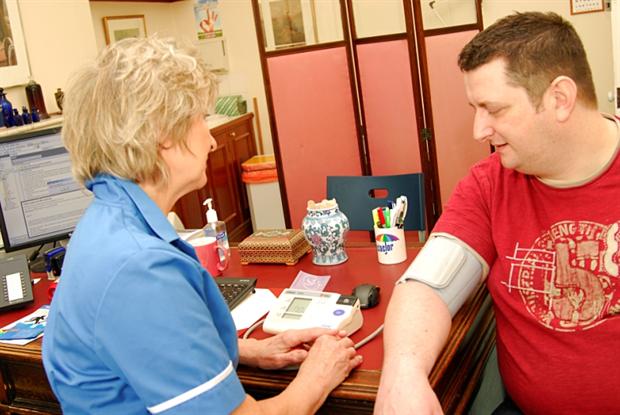
The NHS Health Check is a crucial midlife MOT designed to spot early signs of stroke, kidney disease, heart disease, type 2 diabetes, or dementia.
As we age, our risk of developing these conditions naturally increases. However, the good news is that these health issues are often completely preventable. This free check-up by the National Health Service (NHS) gives you a clearer picture of your health and empowers you to make simple lifestyle changes that can add healthy years to your life.
Who is Eligible for a Free NHS Health Check?
The program is specifically tailored for adults in England aged between 40 and 74.
If you fall into this age bracket and have not already been diagnosed with a pre-existing condition (such as high blood pressure, diabetes, or heart disease). You are entitled to this free check once every five years. You will usually receive an invitation letter from your GP surgery, but you can also contact them directly to book one.
What Actually Happens During the Check?
Many people put off booking their appointment because they don’t know what to expect. Rest assured, the process is quick, painless, and takes only about 20 to 30 minutes.
Here is exactly what the healthcare professional will measure:
-
Blood Pressure: To check if your heart is working too hard.
-
Cholesterol & Blood Sugar: A quick pricked-finger blood test to check your cholesterol levels and screen for diabetes.
-
Height & Weight: To calculate your Body Mass Index (BMI).
Why You Shouldn’t Skip Your Invitation
It is easy to ignore a letter from the GP when you feel perfectly fine. However, conditions like high cholesterol and early-stage high blood pressure rarely show any physical symptoms.
Did you know? Millions of people live with undiagnosed high blood pressure. Catching it early through a routine check-up can drastically reduce your risk of a sudden medical emergency.
After your tests, your healthcare professional will give you your “heart age” and provide personalized, actionable advice on how to lower your risks through diet, exercise, or medication if necessary.
How to Prepare for Your Appointment
You don’t need to do any major preparation, but keeping these tips in mind will help you get the most out of your session:
-
Know your family history: Find out if your parents or siblings have a history of heart disease or diabetes.
-
Be honest: The NHS staff are there to help, not judge. Being honest about your smoking or drinking habits ensures you get the right advice.
-
Bring questions: If you have been feeling unusually tired or want advice on losing weight, this is the perfect time to ask.







Leave a Reply