

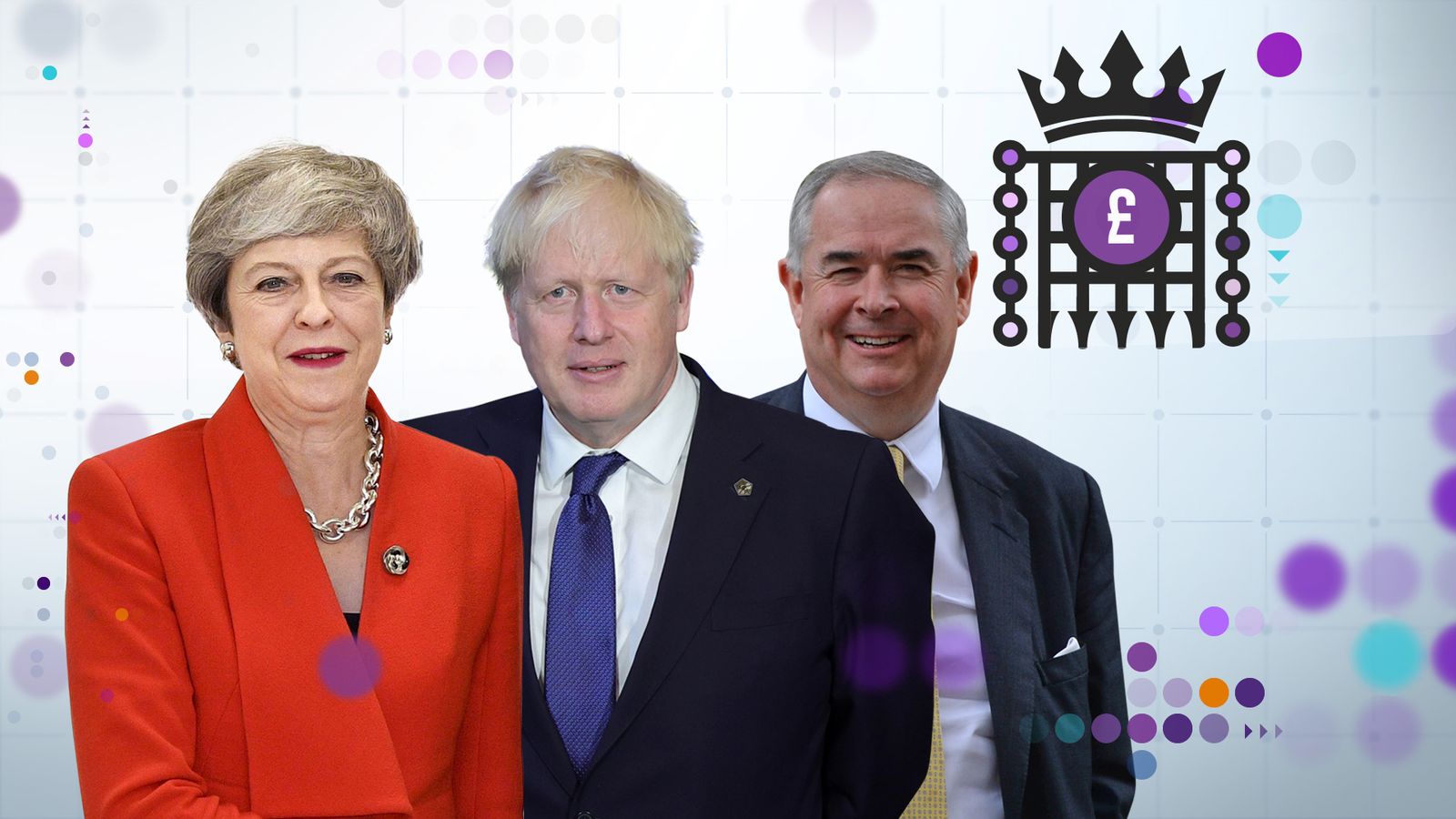
If you have ever wondered how much do UK politicians make, the answer depends heavily on their specific role, committee duties and ministerial positions in Government.
While public opinion on political pay remains sharply divided across the United Kingdom, parliamentary salaries are governed independently to ensure transparency.
Below is a complete, up-to-date breakdown of what Members of Parliament (MPs), Cabinet Ministers, and the Prime Minister earn in 2025 and 2026.
1. Basic Salary of a UK Member of Parliament (MP)
Every elected Member of Parliament in the House of Commons receives a standardized annual basic salary set by the Independent Parliamentary Standards Authority (IPSA).
-
2024–2025 Basic Salary: £93,904 per annum
-
2026 Basic Salary: £98,599 per annum
Note on IPSA: Before 2011, MPs voted on their own pay raises. Following the 2009 expenses scandal, IPSA was established as an independent body to calculate pay adjustments automatically based on wider public sector pay trends and national economic data.
2. Additional Pay for Top Government Officials
MPs who take on extra responsibilities—such as serving in the Cabinet, leading Select Committees, or holding senior positions—receive additional salary entitlements on top of their basic MP pay.
| Role | Basic MP Pay | Extra Role Pay | Total Annual Pay |
| Member of Parliament (MP) | £98,599 | £0 | £98,599 |
| Select Committee Chair | £98,599 | £19,763 | £118,362 |
| Cabinet Minister | £98,599 | ~£67,505 | ~£166,104 |
| Prime Minister | £98,599 | ~£80,807 | ~£179,406 |
How Much Does the Prime Minister Earn?
The Prime Minister earns a combined income consisting of their basic MP salary plus a dedicated Prime Minister entitlement. In total, the UK Prime Minister receives approximately £165,000 to £179,000 per year (depending on ministerial pay claim choices), along with official residences at 10 Downing Street and Chequers.
3. Expenses, Housing, and Staffing Allowance
A common misconception is that parliamentary expenses go directly into a politician’s pocket. In reality, IPSA strictly regulates expense claims to cover operational business costs:
-
Office Accommodation: Lease costs for constituency offices and central operational tools.
-
Travel & Subsistence: Commuting costs between the constituency and Westminster in London.
-
Accommodation Allowance: Rent or hotel coverage for non-London MPs who must maintain a second base while Parliament is sitting.
4. Pensions
-
Pensions: UK politicians have access to the Parliamentary Contributory Pension Fund (PCPF), which is widely considered one of the more supportive public sector pension arrangements.













Leave a Reply