

Traditional British food brings together hearty flavours, simple ingredients and centuries of culinary tradition. From crispy fish and chips to a comforting Sunday roast, British cuisine offers many classic dishes that people across the UK still enjoy today.
British cooking has changed over the years, but traditional recipes remain popular. Families prepare them at home, pubs serve them to customers, and restaurants often give classic dishes a modern twist.
What Makes Traditional British Food Special?
British cuisine grew from local ingredients, regional customs and practical home cooking. Potatoes, vegetables, meat, fish, dairy products and bread appear in many traditional recipes.
The simplicity of these dishes makes them appealing. Cooks can create satisfying meals without complicated ingredients or elaborate techniques. Instead, they focus on flavour, quality and familiar combinations.
1. Fish and Chips
Fish and chips stands among the UK’s most famous foods. Cooks coat fresh fish in batter and fry it until the outside turns crisp and golden. They then serve it with chunky chips.
People often add salt and vinegar for extra flavour. Mushy peas and tartar sauce also make popular accompaniments.
Many visitors associate fish and chips with British seaside towns. However, people across the UK enjoy this classic meal throughout the year.
2. Sunday Roast
The Sunday roast holds a special place in British food culture. Families often gather around the table for roast beef, chicken, lamb or pork.
A traditional plate may include roast potatoes, vegetables, stuffing and Yorkshire pudding. Rich gravy adds extra flavour and brings the different ingredients together.
For many families, the Sunday roast means more than food. It creates an opportunity to spend time together and enjoy a relaxed weekend meal.
3. Full English Breakfast
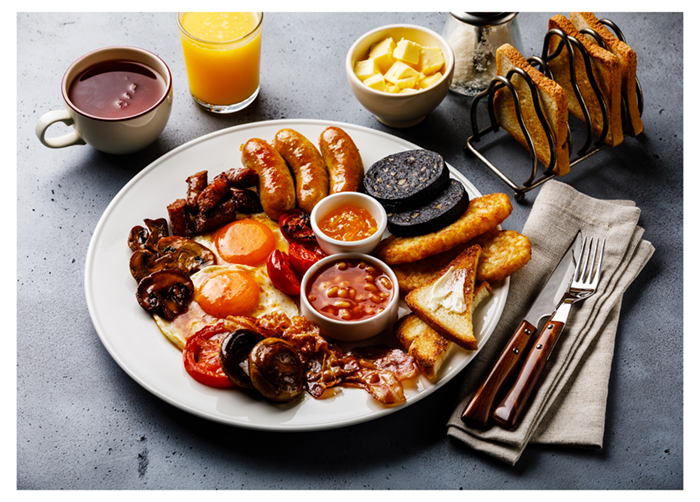
The full English breakfast offers one of the heartiest ways to start the day. A traditional plate usually includes eggs, bacon, sausages, baked beans, mushrooms, tomatoes and toast.
Many cafés and pubs serve this breakfast, especially during weekends. Some people enjoy the complete version, while others choose only a few ingredients.
The exact combination varies from one household to another. That flexibility helps keep the full English breakfast relevant in modern British food culture.
4. Shepherd’s Pie
Shepherd’s pie combines minced lamb, vegetables and creamy mashed potatoes. Cooks prepare the filling with gravy and vegetables before adding a generous layer of mashed potato.
The oven gives the potato topping a golden, slightly crisp finish. The result offers a warm and filling meal that works particularly well during colder months.
Cooks use minced beef instead of lamb when they make cottage pie. Both dishes remain popular examples of classic British comfort food.
5. Cottage Pie
Cottage pie uses minced beef instead of lamb. Cooks combine the meat with vegetables and rich gravy before covering the mixture with mashed potatoes.
The oven creates a golden crust on top while keeping the filling warm and rich underneath. Many families prepare cottage pie as an easy weeknight dinner.
You can also add herbs, cheese or different vegetables to create your own variation without losing the character of the traditional recipe.
6. Bangers and Mash
Bangers and mash brings together sausages, mashed potatoes and onion gravy. The dish uses simple ingredients, yet the combination creates a satisfying and comforting meal.
Traditional pubs often feature bangers and mash on their menus. At home, cooks can choose different sausage varieties and prepare their own onion gravy.
Because the recipe requires few ingredients, it works well for a quick and affordable British-style dinner.
7. Steak and Kidney Pie
Steak and kidney pie remains a classic choice for fans of traditional British cooking. The filling combines beef, kidney and rich gravy inside a golden pastry crust.
Many traditional pubs serve the pie with chips, mashed potatoes or vegetables. The crisp pastry contrasts nicely with the rich and tender filling.
Modern cooks sometimes adapt the recipe, but the traditional version continues to represent classic British pub food.
8. Toad in the Hole
Toad in the hole has one of the UK’s most unusual food names. Despite the name, the recipe contains no toad.
Instead, cooks place sausages inside Yorkshire pudding batter and bake the mixture until it rises and turns golden. Onion gravy usually completes the dish.
The recipe combines simple ingredients with a distinctive presentation. As a result, it remains a favourite British comfort meal.
9. Cornish Pasty
The Cornish pasty comes from Cornwall and has a strong connection with British regional food culture. The traditional version combines beef, potato, swede and onion inside a folded pastry crust.
Workers once valued pasties as convenient meals because the pastry could hold the filling securely. Today, people enjoy Cornish pasties across the UK.
Different bakeries now offer variations with alternative fillings. However, the traditional combination remains especially popular.
10. Ploughman’s Lunch
A Ploughman’s lunch offers a simple cold meal with bread, cheese and pickles. Many versions also include salad, ham, apples or other seasonal ingredients.
The dish fits naturally into traditional pub culture. Its simple presentation also makes it a convenient lunch for people who prefer lighter meals.
Good-quality cheese and fresh bread can make a Ploughman’s lunch surprisingly satisfying.
11. Yorkshire Pudding
Yorkshire pudding plays an important role in the traditional Sunday roast. Cooks prepare the batter with flour, eggs and milk before pouring it into hot fat.
The high heat helps the batter rise and develop crisp edges while keeping the centre soft. Roast beef and gravy make classic partners for Yorkshire pudding.
Some people also enjoy Yorkshire puddings with sausages, vegetables and other fillings. This versatility has helped the dish remain popular across generations.
12. Sticky Toffee Pudding
Traditional British food also includes plenty of delicious desserts. Sticky toffee pudding stands out as one of the UK’s favourite sweet treats.
Cooks make the dessert with a soft sponge that contains dates. They then add a rich toffee sauce and often serve the pudding with custard or vanilla ice cream.
The warm sponge and sweet sauce create a rich combination that works especially well after a traditional British dinner.
Regional Variety in British Cuisine
British food offers far more variety than a simple list of famous dishes might suggest. England, Scotland, Wales and Northern Ireland each have their own culinary traditions.
For example, Scotland has dishes such as haggis and Cullen skink. Wales has Welsh rarebit, while Northern Ireland has traditional favourites such as soda bread.
Regional food gives visitors another way to explore the UK’s history and culture. Each dish tells a story about local ingredients, traditions and communities.
Traditional British Food in Modern Kitchens
Modern British cooking continues to evolve. Chefs now combine traditional recipes with international ingredients, seasonal produce and new cooking techniques.
However, modern changes do not erase traditional food. Instead, they give classic dishes new life.
A restaurant might add contemporary ingredients to a traditional pie. A home cook might create a lighter Sunday roast. These small changes allow British food traditions to remain relevant while respecting their origins.
Why British Food Traditions Still Matter
Food often connects people with family memories and cultural traditions. British classics continue to thrive because people associate them with comfort, celebrations and familiar places.
A Sunday roast can bring an entire family together. Fish and chips can remind someone of a seaside holiday. A warm pie can create memories of a traditional pub meal.
These experiences give traditional British food a cultural value that goes beyond taste.
Final Thoughts
Traditional British food offers a fascinating mix of history, comfort and regional character. From fish and chips and Sunday roast to Cornish pasties and sticky toffee pudding, classic British dishes continue to attract both locals and visitors.
Anyone exploring the UK’s food culture should try these traditional favourites. Each dish offers a taste of British history while showing how simple ingredients can create memorable meals.
As British cuisine continues to evolve, these classic recipes will likely remain an important part of the country’s culinary identity.









trang chủ abcvip
You really make it appear so easy with your presentation however I in finding this matter to be really something that
I feel I’d never understand. It sort of feels too complex and extremely large for me.
I am taking a look forward on your next submit, I’ll try to get the dangle of it!