

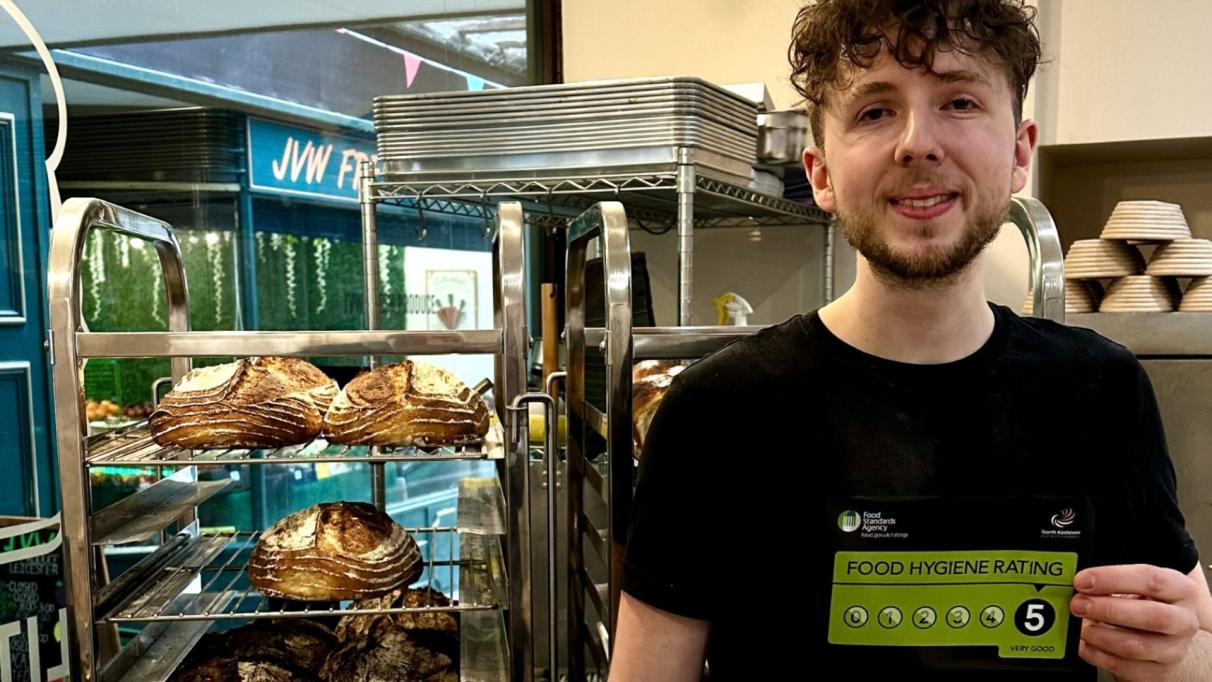
Food hygiene rating scores are the ultimate trust signal for any food business in the UK. When customers look at your window or search for your eatery online, that little green sticker tells them everything they need to know about how seriously you take cleanliness, food handling, and safety.
For restaurant owners, cafes, takeaways, and food retailers, achieving a top score isn’t just a legal feather in your cap—it is a powerful marketing tool that directly drives revenue.
Why a Food Hygiene Rating Matters More Than Ever
Run by the Food Standards Agency (FSA) in partnership with local authorities, the scheme scores food businesses on a scale from 0 to 5.
-
5 – Very Good: The gold standard that inspires total customer confidence.
-
4 – Good: High standards, with only minor areas for improvement.
-
3 – Generally Satisfactory: Broadly compliant, but needs steady maintenance.
-
0-2 – Failing Grades: Requires urgent or major improvement, risking legal action and severe brand damage.
In today’s digital age, consumers are highly cautious. Before ordering a meal or booking a table, a quick check of a business’s food compliance score can make or break their decision. A high score means full tables, while a low score can completely tank your reputation.
The Three Pillars of the FSA Inspection
When a local Environmental Health Officer (EHO) visits your premises, they evaluate your business based on three core criteria:
1. Hygienic Food Handling
This covers how food is prepared, cooked, re-heated, cooled, and stored. Inspectors look for strict cross-contamination prevention, correct temperature controls, and flawless personal hygiene habits among your staff.
2. Physical Condition of the Premises
Your layout, cleanliness, lighting, ventilation, and pest control measures are heavily scrutinized. The structure of your building must be easy to clean and meticulously maintained to prevent dirt build-up and keep pests out.
3. Food Safety Management
You must prove that you manage food safety effectively. This means having a fully documented system, such as a HACCP (Hazard Analysis and Critical Control Point) plan. The inspector needs to see clear records, up-to-date staff training logs, and consistent daily checks.
Pro-Tips to Secure and Maintain a 5-Star Rating
Consistency is Key: EHO inspections are typically unannounced. Your kitchen needs to be “inspection-ready” every single day, not just when you think an inspector might show up.
-
Master the Paperwork: Most businesses lose points not because their kitchens are dirty, but because their record-keeping is incomplete. Keep your daily temperature logs and cleaning schedules flawless.
-
Invest in Continuous Staff Training: Ensure every team member understands food allergens, safe storage zones, and proper handwashing techniques.
-
Conduct Mock Audits: Regularly walk through your kitchen with a checklist as if you were the inspector. Catching a broken fridge seal or a missing soap dispenser early saves your score later.
By treating food safety as a core pillar of your business operations rather than a chore, you guarantee a top-tier rating that keeps your doors open, your customers healthy, and your business thriving.






Leave a Reply