

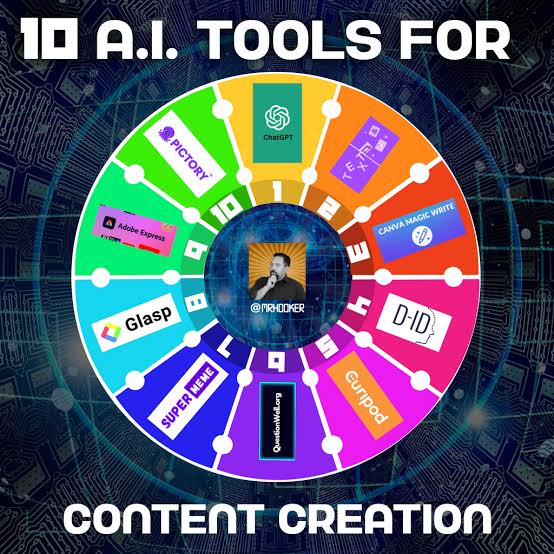
AI tools for content creators are changing the way bloggers, YouTubers, social media managers, podcasters and independent creators plan, produce and improve digital content. Instead of replacing creativity, the right tools can handle repetitive tasks and give creators more time to focus on ideas, storytelling and audience engagement.
For UK creators, this shift is particularly useful because audiences expect fresh content across several platforms. A single idea may need to become a blog post, Instagram caption, YouTube video, short-form clip and newsletter. AI can help organise parts of this workflow while the creator remains responsible for the final message and quality.
What Can AI Tools Do for Content Creators?
Modern AI software covers much more than automated writing. Depending on the platform, creators can use AI for research, brainstorming, transcription, image creation, video editing, captions, content repurposing and productivity.
For example, an interview could be transcribed and turned into several content ideas. A long video can be adapted into shorter clips, while a rough article outline can become a structured first draft.
The most useful approach is to treat AI as an assistant rather than a complete replacement for human creativity. Google’s current guidance also emphasises creating original, useful content for people rather than producing material primarily to manipulate search rankings.
AI Writing Tools for Bloggers and Copywriters
Writing assistants can help creators overcome the blank-page problem. They can suggest headlines, generate outlines, rewrite awkward sentences and produce alternative introductions.
However, generated text still needs human editing. Creators should check facts, add relevant examples and make sure the final article reflects their own knowledge and experience.
This is especially important for UK websites. British spelling, terminology and cultural references can make content feel more natural to a local audience. AI tools may produce American wording unless the creator specifically requests UK English and reviews the result.
AI Video Tools for YouTubers and Social Creators
Video creators can use AI for several time-consuming production tasks. Transcription, automatic captions, background cleanup, audio enhancement and short-form editing are now common features across modern platforms.
Some AI-powered editors also allow creators to work from transcripts, making it easier to locate sections of a longer interview or presentation. UK-focused creator guides have highlighted transcript-based editing and AI-assisted social video workflows as useful developments in 2026.
The important point is that automation should support the creator’s editing decisions. A human review can still make a major difference to pacing, accuracy and personality.
AI Design and Image Creation
Visual content is another area where AI can save time. Creators can use image-generation and design assistants to explore concepts, create draft visuals and develop ideas for social media campaigns.
These tools are particularly useful during the planning stage. A creator can experiment with different visual directions before producing the final design.
For branded content, consistency remains important. Fonts, colours, logos, photography and visual style should match the overall identity of the website or social account.
AI Tools for Social Media Content
Managing several social platforms can quickly become repetitive. AI can assist with caption ideas, content calendars, post variations and repurposing.
A creator might start with one detailed blog article and develop several shorter social posts from the same core idea. This can reduce repetitive work while keeping the underlying message consistent.
Recent UK-focused discussions of AI social-media tools have also highlighted their role in helping creators maintain regular publishing schedules and adapt content for different platforms.
How to Choose the Right AI Tool
There is no single tool that suits every creator. The right choice depends on the type of content being produced and the creator’s workflow.
Consider these factors before signing up:
- Purpose: Does the tool solve a real problem in your workflow?
- Ease of use: Can you learn it without spending hours on setup?
- UK English: Does it handle British spelling and terminology naturally?
- Editing controls: Can you customise and correct the output?
- Integrations: Does it work with the platforms you already use?
- Privacy: Understand how your content and uploaded data are handled.
- Pricing: Compare free limits, subscriptions and usage restrictions.
- Quality: Test the output with your own real content before committing.
UK-focused comparisons increasingly consider British English support, pricing and data-protection considerations when evaluating AI content software.
AI Should Support Originality, Not Replace It
One of the biggest mistakes creators can make is publishing generic AI output without adding anything of their own.
AI can produce a starting point, but personal experience, original examples, expert commentary and proper fact-checking can make the finished piece more useful.
Google’s guidance recommends content that provides original value instead of simply rewriting information that already exists elsewhere.
For creators, this means the best workflow is often simple: research → brainstorm with AI → create → edit → fact-check → add personal insight → publish.
A Simple AI Workflow for UK Content Creators
A practical workflow can begin with one strong content idea.
First, research the audience and identify the problem the content should solve. Next, use AI to brainstorm angles, questions and possible formats. Create the main piece of content and then repurpose it into smaller assets.
For example:
Blog post → newsletter → LinkedIn post → Instagram caption → short video → social-media graphic
This approach allows one original idea to support multiple channels without simply copying and pasting the same material everywhere.
Final Thoughts
AI tools for content creators can make modern content production faster and more organised. Writing assistance, video editing, design, transcription and social-media tools can all reduce repetitive tasks.
But technology works best when creators remain involved in the process. Human judgement, originality, fact-checking and a clear understanding of the audience are still essential.
For UK creators, the goal should not simply be to publish more content. It should be to create useful, distinctive and genuinely valuable content while using AI where it can make the creative workflow more efficient.






Leave a Reply