

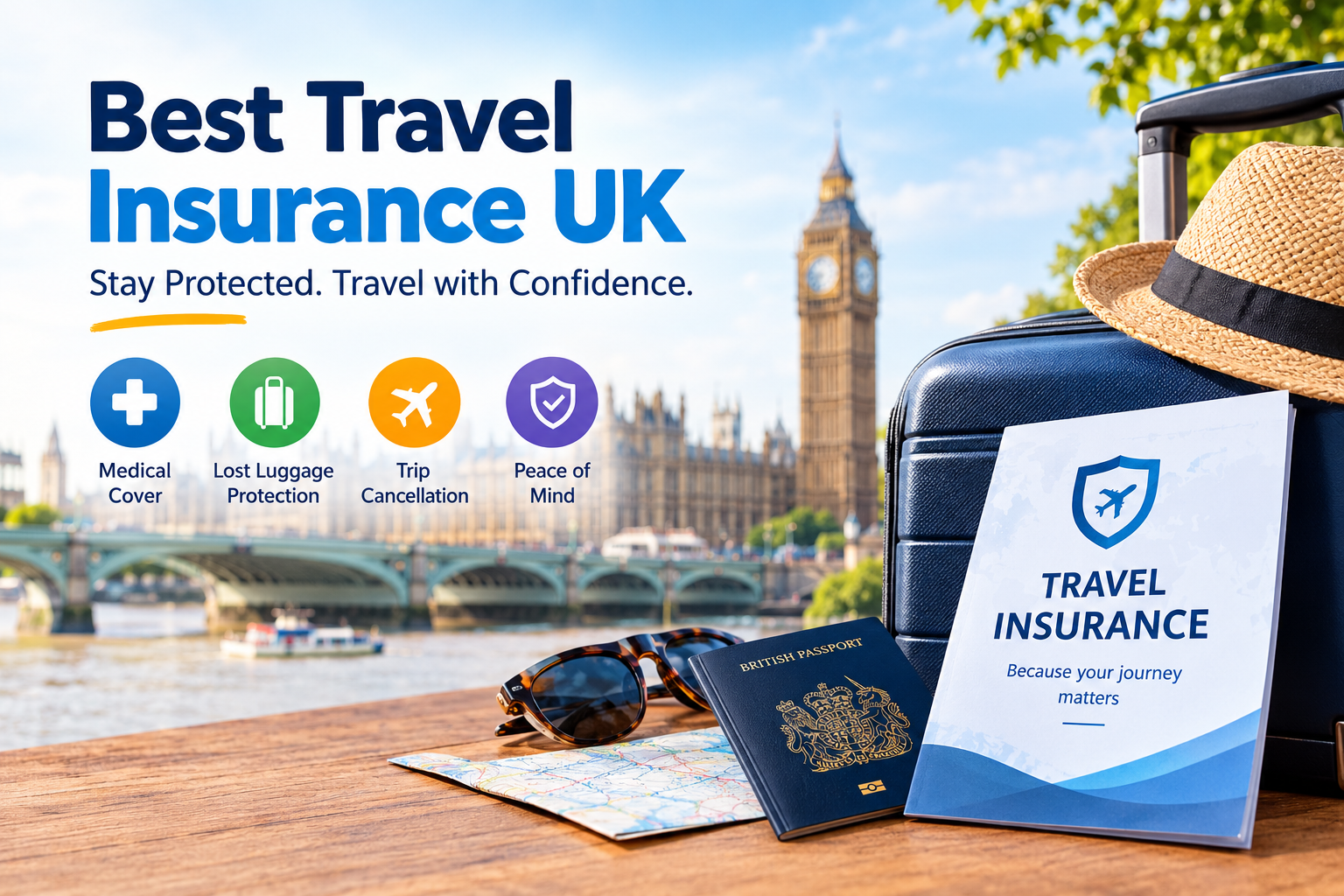
Best travel insurance UK travellers can choose depends on their destination, holiday budget, medical needs and the type of protection they want. Whether you are planning a relaxing beach break, a European city escape or a long-haul adventure, the right policy can help protect you against unexpected costs before and during your trip.
Although many people focus on finding the cheapest premium, price alone should not determine your decision. A suitable policy should provide appropriate medical cover, cancellation protection and assistance if something goes wrong abroad. Understanding the details before purchasing can help you make a more confident choice.
Why Is Travel Insurance Important for UK Travellers?
A holiday often involves several expenses, including flights, accommodation, transfers and pre-booked activities. If an unexpected illness or another covered event prevents you from travelling, cancellation cover may help recover eligible non-refundable costs.
Travel insurance can also provide financial protection if you require emergency medical treatment overseas. In some destinations, hospital treatment and emergency transport can be extremely expensive. A policy with suitable medical expenses and repatriation cover can therefore be particularly valuable.
However, insurance does not cover every possible situation. Your eligibility for a claim depends on the policy wording, exclusions, limits and circumstances of the incident.
What Should the Best Travel Insurance UK Policy Include?
Before comparing quotes, consider the following essential features.
1. Emergency Medical Expenses
Medical cover should be one of your main priorities, particularly when travelling outside Europe. Check the maximum amount available for emergency treatment, hospital stays and medically necessary transport back to the UK.
The appropriate limit depends on your destination and personal circumstances. Review the policy carefully rather than assuming every plan provides the same protection.
2. Cancellation and Curtailment Cover
Cancellation cover may reimburse eligible prepaid expenses if a covered event forces you to cancel your holiday. Curtailment cover can help with certain costs if you need to cut your trip short.
Calculate how much you could lose on non-refundable flights, hotels, excursions and other bookings. Your cancellation limit should reflect the amount you want to protect.
Remember that purchasing insurance does not mean every reason for cancelling a holiday will qualify for reimbursement.
3. Baggage and Personal Belongings
Lost, stolen or damaged luggage can disrupt a holiday and create unexpected expenses. Check the baggage limit, the maximum payable for individual valuables and any requirements for reporting theft.
Some policies exclude unattended belongings or apply special conditions to phones, laptops, jewellery and other expensive items. If you plan to travel with valuable equipment, read these terms before buying.
4. Travel Delays and Missed Departures
Flight delays, cancellations and missed connections can result in extra accommodation, meals or transport costs. Some travel insurance policies provide benefits for specific situations, subject to waiting periods and eligibility requirements.
Check whether your policy covers the circumstances relevant to your itinerary. You should also understand when the airline or travel provider is responsible for offering assistance or compensation.
5. Personal Liability
Personal liability cover may protect you against certain legal claims if you accidentally injure another person or damage their property. Policy definitions, exclusions and limits vary, so review the wording to understand the protection offered.
Single-Trip vs Annual Multi-Trip Travel Insurance
Choosing the right policy type can make comparing travel insurance easier.
Single-trip insurance covers one specified holiday. It may suit travellers who take one main trip each year or need cover for a particular destination and set of dates.
Annual multi-trip insurance can cover several eligible trips during a 12-month period. It may offer better value for people who travel abroad regularly, although limits often apply to the duration of each trip and the destinations covered.
Before choosing an annual policy, check its maximum trip length, age restrictions and any limits on the number or type of journeys. Compare the total cost with separate single-trip policies rather than assuming annual cover will always be cheaper.
How to Compare Travel Insurance Quotes in the UK
Finding a suitable policy requires more than sorting search results by price. Use this practical approach to compare your options.
Step 1: Identify your travel plans. Confirm your destination, departure and return dates, number of travellers and planned activities.
Step 2: Decide what needs protecting. Consider your prepaid holiday costs, belongings and potential emergency medical expenses.
Step 3: Compare policy limits. Review medical expenses, cancellation, baggage, personal liability and travel disruption benefits.
Step 4: Check the excess. The excess is the amount you may have to pay towards an eligible claim. A lower premium can come with a higher excess, so compare both figures.
Step 5: Read exclusions carefully. Look for restrictions involving pre-existing medical conditions, alcohol, adventure sports, unattended belongings and destinations subject to travel warnings.
Step 6: Check the insurer and policy documents. Review the insurer’s claims process, emergency contact arrangements and key policy information before making a purchase.
MoneyHelper and the UK government’s foreign travel insurance guidance are useful starting points for understanding your options.
Travel Insurance for Pre-Existing Medical Conditions
Travellers with existing medical conditions should pay particular attention to the application process. Depending on the insurer, you may need to disclose previous diagnoses, ongoing treatment, medication or medical investigations.
Answer all medical screening questions accurately. Failing to disclose information requested by an insurer could affect your cover or result in a claim being rejected.
If standard policies seem unsuitable, specialist providers may offer additional options. Compare their terms and premiums, and confirm that any relevant medical condition is covered rather than excluded.
Older travellers should also examine age limits, emergency assistance arrangements and the maximum permitted duration of each trip.
Does a GHIC Replace Travel Insurance?
A UK Global Health Insurance Card (GHIC) can provide access to medically necessary state healthcare in certain countries under the applicable arrangements. However, it is not a substitute for comprehensive travel insurance.
A GHIC generally does not cover private healthcare, medical repatriation or other costs that a travel insurance policy may cover. Travellers should understand the limitations of their card and arrange appropriate insurance for their journey.
Before departure, check the latest official guidance for your destination and carry the relevant healthcare and insurance details.
Common Travel Insurance Mistakes to Avoid
Even a seemingly comprehensive policy may not meet your needs if you overlook important conditions. Avoid these common mistakes:
- Buying based on price alone: Low premiums do not automatically mean suitable protection.
- Leaving insurance until the last minute: Buying soon after booking can help protect eligible prepaid costs against covered cancellation events.
- Ignoring medical disclosures: Inaccurate answers can jeopardise a claim.
- Overlooking activity exclusions: Skiing, scuba diving and other higher-risk activities may require additional cover.
- Underestimating cancellation costs: Make sure the selected limit reflects your non-refundable expenses.
- Forgetting destination restrictions: Read current Foreign, Commonwealth & Development Office (FCDO) travel advice and check how it affects your policy.
A few minutes spent reviewing these details can help prevent unpleasant surprises later.
When Should You Buy Travel Insurance?
Ideally, arrange travel insurance soon after booking your holiday, especially if you have paid for non-refundable flights or accommodation. Some cancellation benefits may begin when the policy starts, rather than on the date you travel.
Check the policy start date and any waiting periods or conditions that apply. If you already have insurance through a bank account, credit card or another provider, verify its benefits and eligibility requirements before relying on it.
Final Thoughts
Finding the best travel insurance UK travellers need starts with understanding the holiday you are planning and the risks you want to protect against. Medical expenses, cancellation limits, baggage protection, excesses and exclusions all deserve attention when comparing policies.
The cheapest option may be suitable for some journeys, but a slightly more expensive policy could offer benefits that better match your circumstances. Compare several quotes, read the policy documents and check official travel advice before making your decision.
With careful preparation, you can choose cover that fits your travel plans and enjoy greater peace of mind throughout your holiday.














Leave a Reply