

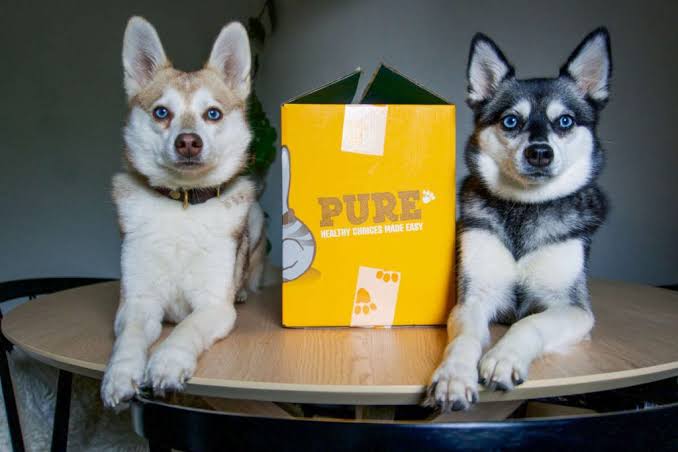
When it comes to keeping your furry friend healthy and active, finding the best dog food uk pet parents can buy is the most important decision you will make. With hundreds of brands lining the shelves and flooding online marketplaces, choosing the right nutrition can feel overwhelming. Every dog is unique, and their dietary needs change based on age, breed, size, and energy levels.
This comprehensive guide breaks down what makes a high-quality canine diet, the different types of food available in the UK, and how to pick the perfect match for your four-legged family member.
Understanding Your Dog’s Nutritional Needs
Before looking at specific brands, it is crucial to understand what a balanced canine diet actually looks like. Dogs are omnivores, meaning they thrive on a balanced mix of meat, vegetables, and wholesome grains.
A premium dog food should always include:
-
High-Quality Proteins: Look for named meats (like fresh chicken, beef, or lamb) as the very first ingredient, rather than generic “meat derivatives.”
-
Healthy Fats & Oils: Omega-3 and Omega-6 fatty acids keep their coat shiny and support brain development.
-
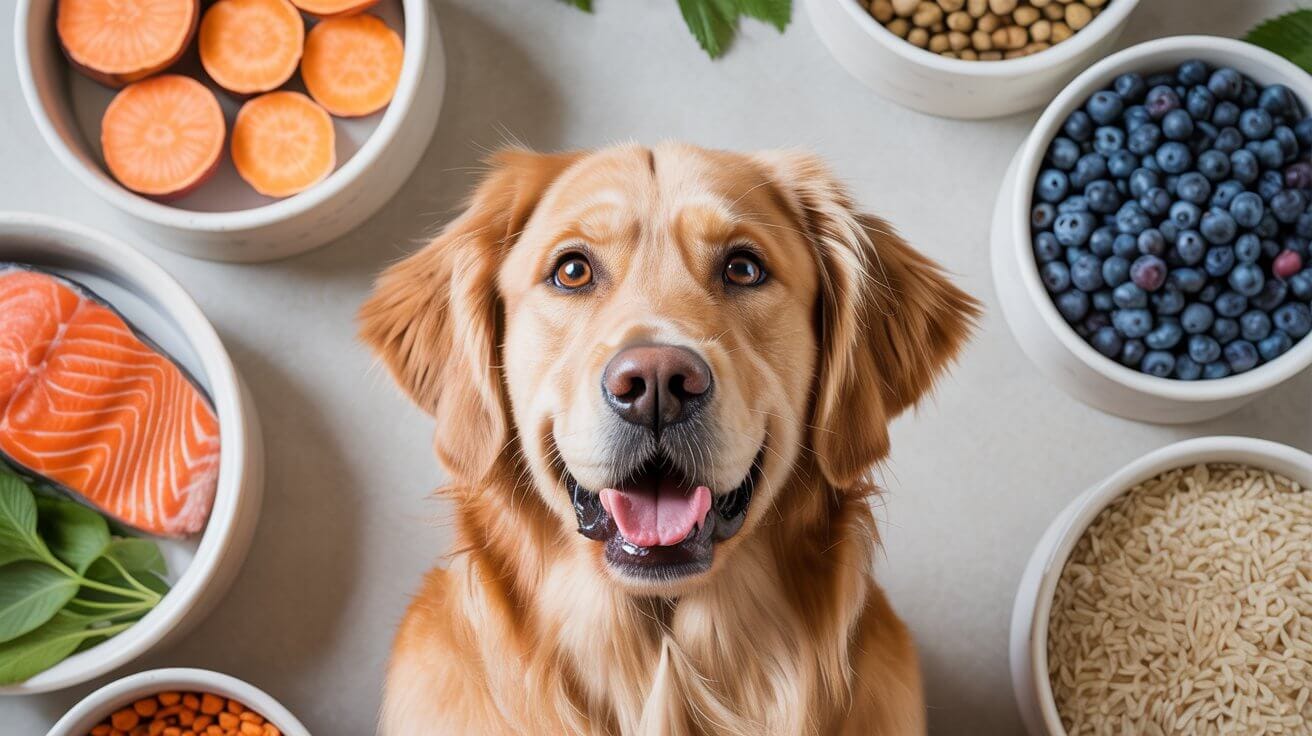
Digestible Carbohydrates: Sweet potatoes, oats, and brown rice provide sustained energy throughout the day.
-
Essential Vitamins & Minerals: Vital for immune support, strong bones, and healthy joints.
Types of Dog Food Available in the UK
The UK market offers several feeding methods. The right choice depends on your lifestyle, budget, and your dog’s personal preferences.
1. Dry Kibble (The Convenient Choice)
Dry food is incredibly popular because it is cost-effective, easy to store, and has a long shelf life. The crunchy texture of premium kibble also helps scrape away plaque, promoting better dental hygiene.
2. Wet Food (Great for Picky Eaters)
Wet food typically has a higher meat content and is packed with moisture. This makes it highly palatable for fussy eaters, elderly dogs with dental issues, or pups that struggle to drink enough water throughout the day.
3. Fresh & Raw Food Subscriptions (The Premium Trend)
Tailored fresh food and raw (BARF) diets have exploded in popularity across the UK. These services deliver pre-portioned, human-grade meals straight to your freezer. While more expensive, many owners report shinier coats, smaller stools, and improved energy levels.
Key Red Flags to Avoid on Pet Food Labels
To ensure you are truly feeding your dog high-quality nutrition, always flip the bag over and check the ingredients list. Try to steer clear of products that contain:
What to avoid: Mystery meats listed as “animal derivatives,” excessive chemical preservatives (like BHA or BHT), artificial colours, and high amounts of cheap fillers like corn or wheat, which offer very little nutritional value.
If your pup has a sensitive stomach, look out for hypoallergenic formulas. These often eliminate common allergens like dairy, soy, and wheat to keep digestive issues at bay.
Conclusion: Tailoring the Choice to Your Pup
There is no single “magic” bag of food that works for every single canine. The ideal strategy is to observe your dog’s energy, stool quality, and coat condition. When transitioning your dog to a new brand, always do it gradually over 7 to 10 days to avoid upsetting their tummy.







Leave a Reply