

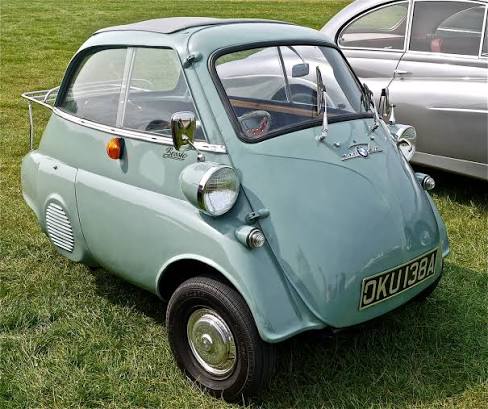
The isetta automobile remains one of the most iconic and charming microcars ever created in automotive history. Originally developed by the Italian firm Iso SpA in the early 1950s, this quirky “bubble car” captured the world’s imagination—and crucially saved BMW from financial ruin when they licensed and redesigned it. With its unique front-opening door and compact dimensions, it represents a masterclass in minimalist engineering and urban mobility.
Why the Isetta is a Design Masterpiece
At a time when Europe was recovering from World War II, drivers needed affordable, fuel-efficient transportation. The creators of the Isetta came up with a revolutionary concept:
-
The Front Door: To save space, the entire front of the car hinged outward. The steering wheel and dashboard were attached to the door, moving out of the way to allow easy access.
-
Bubble Windows: The panoramic plexiglass windows gave drivers incredible visibility and its signature “bubble” appearance.
-
Efficiency: Powered by a motorcycle engine, it delivered exceptional fuel economy, making it the perfect city commuter for its era.
BMW’s Intervention: The Isetta 250 and 300
While Iso created the design, BMW made it famous. They re-engineered the car, installing a 250cc (and later 300cc) four-stroke motorcycle engine.
Did you know? In 1955, the BMW Isetta became the world’s first mass-production car to achieve a fuel consumption rating of roughly 3L/100km. It became the top-selling single-cylinder car in the world.
Collecting an Isetta in the UK Today
For UK collectors and classic car enthusiasts, owning an isetta automobile is a badge of honor. Because BMW manufactured right-hand-drive versions in Brighton, the UK has a deep-rooted love affair with this microcar. If you are looking to buy one, check for chassis rust and ensure the original engine components are intact, as sourcing authentic parts can sometimes be a challenge.



Leave a Reply