

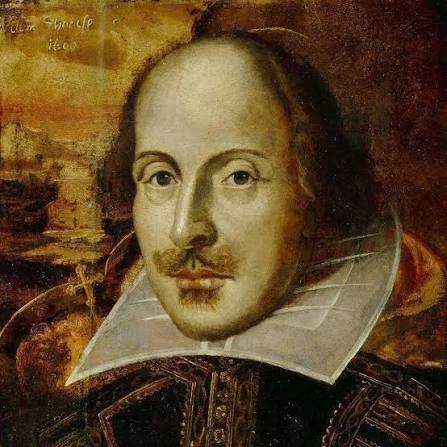
William Shakespeare biography and life timeline reveals the extraordinary journey of a playwright who transformed English literature forever. From his humble beginnings in a small Warwickshire market town to becoming the towering genius of Elizabethan theatre, his story is as dramatic and complex as any of his plays. Whether you are a student, history lover, or casual reader, exploring his life offers a fascinating glimpse into the world of Tudor Britain, and creative genius.
Early Life and Family Background in Stratford-upon-Avon
William Shakespeare was born in Stratford-upon-Avon, Warwickshire, and baptized on April 26, 1564. By tradition, his birthday is celebrated on April 23 (St. George’s Day).
William Shakespeare’s father John Shakespeare, was a prosperous glove-maker and alderman. While his mother, Mary Arden, came from an affluent landowning family. William was the third of eight children and grew up in a comfortable home on Henley Street.
Education and Marriage
-
King’s New School: Shakespeare likely attended the local grammar school, where he received an intensive education in Latin grammar, classical literature, rhetoric, and mythology—themes that heavily influenced his later works.
-
Marriage to Anne Hathaway: In November 1582, at the age of 18, William married 26-year-old Anne Hathaway.
-
Children: The couple had three children: Susanna (born 1583) and twins Hamnet and Judith (born 1585). Tragically, Hamnet died at the age of 11 in 1596.
The “Lost Years” and the Move to London (1585–1592)
Between 1585 and 1592, historical records of Shakespeare’s life vanish almost entirely, a period scholars refer to as “The Lost Years.” Theories suggest he may have worked as a schoolmaster, studied law, or joined a traveling troupe of actors.
By 1592, Shakespeare reappeared in London as an established actor and playwright. His rising popularity sparked jealousy among contemporaries; playwright Robert Greene famously mocked him as an “upstart Crow, beautified with our feathers.”
Rise to Fame: The Globe Theatre and Royal Patronage
-
Lord Chamberlain’s Men: In 1594, Shakespeare became a founding member and shareholder of the Lord Chamberlain’s Men, the leading acting company in London.
-
The Globe Theatre: In 1599, the company constructed The Globe Theatre on the south bank of the River Thames in Southwark. This legendary open-air playhouse hosted iconic premieres like Hamlet, Othello, and Macbeth.
Masterworks: Plays and Sonnets
Shakespeare’s literary career is broadly divided into four key creative phases:
-
Histories & Early Comedies (1590–1596): Richard III, The Taming of the Shrew, A Midsummer Night’s Dream.
-
Lyrical Plays & Romantic Comedies (1596–1600): The Merchant of Venice, Much Ado About Nothing, Romeo and Juliet.
-
Great Tragedies (1601–1608): Hamlet, Othello, King Lear, Macbeth.
-
Late Romances & Tragicomedies (1609–1613): The Tempest, The Winter’s Tale.
Chronological Life Timeline: Key Dates and Milestones
| Year | Event | Historical Significance |
| 1564 | Baptized on April 26 in Stratford-upon-Avon | Marks the birth of the Great Bard |
| 1582 | Marries Anne Hathaway (November) | Establishes his family life early |
| 1585–1592 | “The Lost Years” | Transition from Stratford to London theatrical scene |
| 1592 | Referenced in London print by Robert Greene | First documented proof of his success in London |
| 1594 | Joins Lord Chamberlain’s Men | Secures his status as actor, writer, and shareholder |
| 1599 | Construction of The Globe Theatre | Secures a permanent home for his world-famous plays |
| 1603 | Patronage under King James I | Company rebranded as The King’s Men |
| 1609 | Publication of Shakespeare’s Sonnets | Collection of 154 poems published |
| 1613 | Globe Theatre burns down; retires to Stratford | End of his primary London theatrical period |
| 1616 | Dies on April 23 (aged 52) | Buried at Holy Trinity Church, Stratford |
| 1623 | First Folio published | Collection of 36 plays preserved by his friends |
Final Years and Legacy
After retiring to Stratford-upon-Avon as a wealthy gentleman around 1613, Shakespeare spent his final years at New Place, the second-largest house in town.
He died on April 23, 1616, at the age of 52. He was laid to rest at Holy Trinity Church in Stratford-upon-Avon. Seven years after his death, in 1623, fellow actors John Heminge and Henry Condell published the First Folio, preserving 36 of his plays for future generations.
Shakespeare contributed over 1,700 words to the English language (including eyeball, lonely, assassination, and fashionable) and remains the most performed playwright in global history.






Leave a Reply